

Nothing can replace a human editor, but automated tools can provide useful initial feedback. I’ve been using AutoCrit for a few years now to improve my writing and have found their analytical reports invaluable. These include identifying adverbs, highlighting repetition, and even finding where there might be too much telling rather than showing. By comparing these statistics with best selling books, AutoCrit provides guidance on improving the narative. Hence, when I do send my manuscript to an editor, it is much cleaner and the editor can focus on more difficult problems. This type of editing falls under copy editing or line editing, and is not considered Artificial Intelligence.
Recently, AutoCrit have released an AI-powered fiction analyser, which I’ve decided to test out on a few of my manuscripts. The reports provide chapter by chapter feedback covering the synopsis, character, wordbuilding, foreshadowing and inconsistencies, amongst other factors. These are combined to give an overall impression of premise, conflict, plot threads, theme and genre. Another report breaks down the various characters and their roles, which is a key element in understanding how the story fits together. This type of feedback would normally be provided by a beta reader or a developmental editor.
I have to say I’m impressed with the conclusions drawn upon “The Duty of Magic”. The tool identified the theme as “centered around growth through adversity—with particular emphasis on leadership responsibility, sacrifice, loyalty among comrades-in-arms, and navigating moral complexities inherent in warfare situations”. In particular, “Admirer’s evolution from reckless youthfulness towards thoughtful leadership under duress”. The AI also evaluate’s Ademir’s character, saying “What Ademir needs is a realization of true leadership qualities which include wisdom, patience, understanding the consequences of one’s actions, and valuing the lives under his command over personal glory or proving oneself. His journey requires him to learn that being a leader isn’t just about bravery in battle but also about making tough decisions for the greater good.” To me, that sounds spot on, and even better than I could have phrased it. In rushing into battle and facing the consequences, Ademir becomes a far more balanced leader by the end of the story. What do you think?
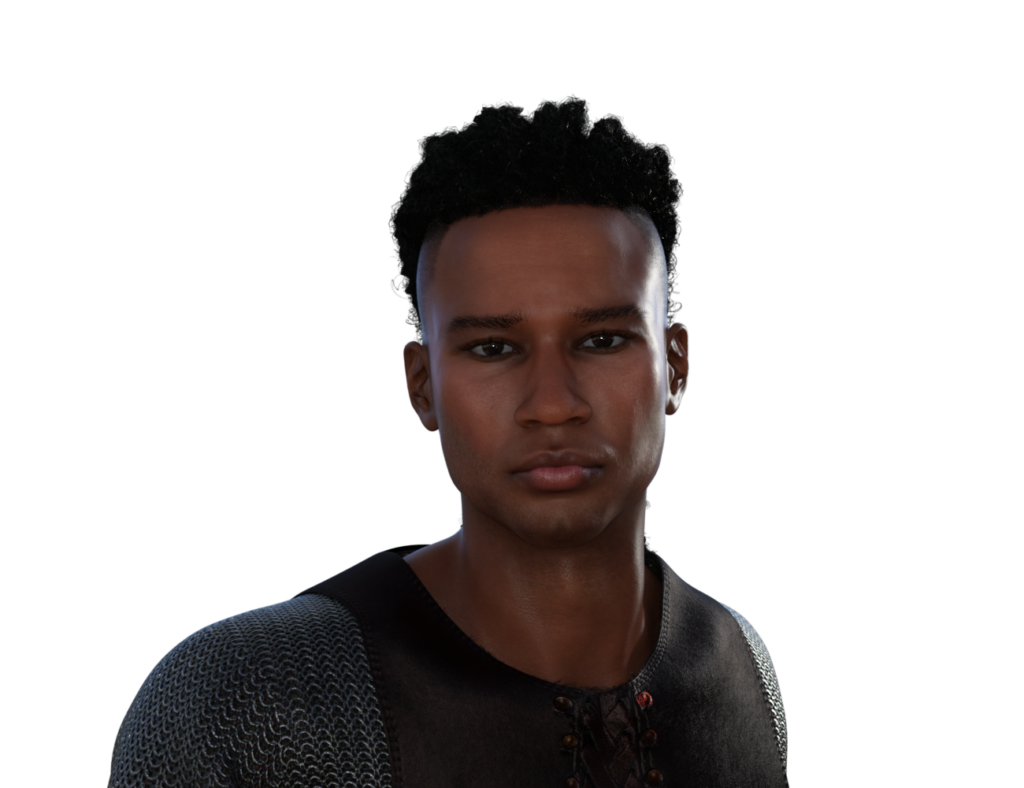
On “The Cost of Magic”, the story following Torvia’s integration into South Parsan society, I’m less convinced. The AI reports “Torvia’s primary flaw lies in her tendency towards impulsiveness coupled with an undercurrent of insecurity about whether she belongs or is good enough for the tasks at hand.” This sounds a little too general, and completely opposite to Torvia’s unwavering faith in her abilities, which can occasionally come across as annoyingly arrogant. In particlar, she is convinced she can become a Royal Guard due to her abilities, despite being too young for the role at only fifteen.


This is also suspiciously similar to the analysis for Alice in “The Discovery of Magic”, which says Alice’s need “is self-acceptance and trust in her own abilities”. However, “a deep need for belonging and understanding her place in the world,” does make sense for Alice. She is often drawn to those in need, particularly finding reasons to support Yasmin, and defines her world by those around her. I do wonder whether there may be a bit of bias here, paintaing female protagonists with the same flaws. Nevertheless, there may be some useful feedback which I can incorporate whilst editing this novella.
Once these two books are released, you’ll be able to decide whether the AI was right or not. In the meantime, I’ll be using the feedback to provide focus for my next round of developmental edits.
What are your thoughts about using AI as an editor? Post your comments below or join in the discussion on Instagram, X (Twitter) or Facebook.